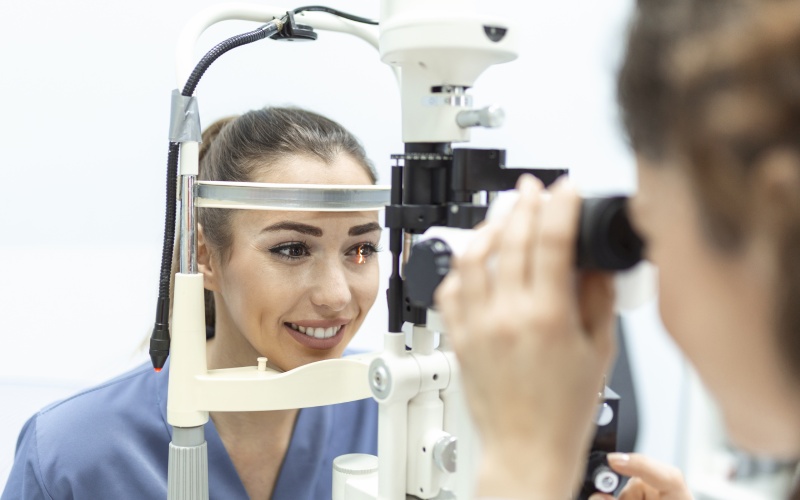
We often take our sight for granted. But imagine a world where the vibrant colours, beautiful faces and breathtaking landscapes all turn into mere shadows or, worse, total darkness. Scary thought, isn’t it? That’s why regular eye exams are so crucial.
The Importance of Regular Eye Exams
Eye exams aren’t just a routine check-up; they’re a crucial part of maintaining overall eye health.
Early Detection of Eye Diseases
Regular eye exams play an instrumental role in the early detection of eye diseases. These tests often reveal conditions such as glaucoma, macular degeneration and diabetic retinopathy long before any symptoms appear. When detected early, treatments can start promptly, significantly improving the prognosis. For instance, in glaucoma’s case, early detection can prevent irreversible vision loss. Thus, it’s clear that scheduling regular eye exams isn’t merely a precautionary measure; it could be a sight-saving decision.
Eye Health Assessment
Apart from detecting diseases, regular eye exams also provide a comprehensive assessment of your eye health. During these tests, an optometrist evaluates various aspects of your vision including visual acuity, peripheral vision and responsiveness to light. Moreover, they assess physical health indicators such as intraocular pressure and examine the eyes for abnormalities or signs of disease. An example is when they look for cataracts – clouding of the lens that impairs vision if left untreated. Hence, consistent eye exams ensure you’re not just seeing well today but also safeguarding your future sight.
Key Eye Problems and Their Detection
Cataracts
A prevalent issue in the realm of vision health is cataracts. Cataracts cloud your lens, leading to blurry vision and difficulty seeing at night. You might notice sensitivity to light or see “halos” around lights. Regular eye examinations can detect cataracts in their early stages.
Glaucoma
Glaucoma poses another significant threat to our vision health. It’s a condition that damages your optic nerve, usually due to high pressure within the eye. Initial symptoms are subtle; you might not notice any vision loss until the disease has progressed significantly. Routine eye exams can identify high pressure levels or optic nerve damage indicative of glaucoma before any serious vision loss occurs.
Age-related Macular Degeneration (AMD)
With age comes an increased risk for AMD – a condition that blurs your sharp central vision needed for activities like reading or driving. There are two types: dry and wet AMD. Dry AMD is more common and involves thinning of the macula, while wet AMD involves leaking blood vessels under the retina. Regular screenings during eye exams can detect these changes early on.
Diabetic Retinopathy
If you’re diabetic, you’re at a higher risk for developing diabetic retinopathy – a condition where high blood sugar levels cause damage to blood vessels in your retina. This can lead to blurry vision, floaters, or even complete blindness if left untreated. Yet again, regular eye examinations prove crucial as they allow early detection of signs of damage even before any symptoms emerge.

Getting Your Eye Exam: What to Expect
Taking an eye exam isn’t just about updating your glasses or contact lens prescription. It’s a thorough check-up for your eyes that can detect hidden health issues.
Patient History
In an eye exam, the optometrist first asks you about your medical history. This includes any vision problems you’ve experienced, diseases that run in the family, or medication you’re currently taking. For instance, if glaucoma runs in your family, you’re at a higher risk of developing it too.
Visual Acuity
Next comes the visual acuity test, often using a Snellen chart. You’ll read out letters or symbols from a chart placed 20 feet away. Each line on this chart represents specific visual acuity measurements.
Preliminary Tests
Preliminary tests might include evaluations of depth perception and colour vision, peripheral (side) vision testing, and response of pupils to light. These tests help detect conditions like colour blindness or neurological disorders.
Eye Team and Eye Movement Testing
The last part involves checking how well your eyes work together as a team and assessing their movement. Problems with these aspects can lead to discomfort, reduced reading efficiency or difficulties with sports and other activities requiring good hand-eye coordination.
The Role of Eye Exams in Detecting Other Health Issues
Eye examinations serve a broader purpose than merely diagnosing eye-related problems. They’re an integral part of preventive healthcare, often revealing signs of systemic diseases that might be hiding beneath the surface.
For instance, hypertension and diabetes often leave their telltale signs in our eyes. By examining blood vessels in the retina during a comprehensive eye examination, optometrists can detect these early indicators. For example, swollen blood vessels may signify hypertension, while leaky ones could point to diabetes.
In the case of autoimmune disorders like lupus or rheumatoid arthritis, inflammation in various parts of the eyes can be a hint. Similarly, neurologic conditions such as multiple sclerosis or Parkinson’s disease could manifest as changes in vision or ocular motor function.
Cancers too can be detected through eye exams. An unusual structure or growth in the eye might indicate ocular melanoma – a rare type of cancer. In children, a peculiar white glow in their eyes seen in photos or under certain lighting could suggest retinoblastoma – an aggressive eye cancer.
Eye exams also play a role in detecting high cholesterol levels. One sign optometrists look out for is a bluish ring around the cornea, commonly known as arcus senilis.
Lastly, thorough eye examinations can reveal critical signs related to our mental health. Optic disc swelling could signal increased brain pressure possibly due to conditions like brain tumours or hydrocephalus.
Actions to Protect Vision Between Eye Exams
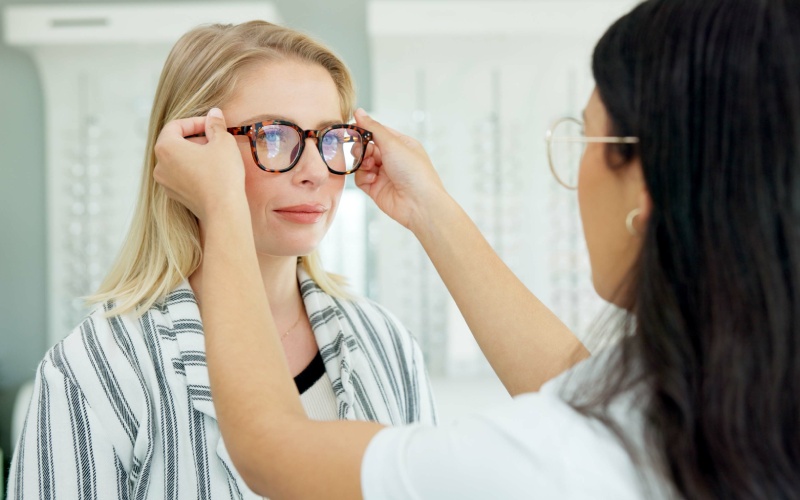
In addition to regular eye exams, protecting your eyes from UV rays with 100% UV sunglasses and wide-brimmed hats is essential. A balanced diet rich in vitamins A, C, and omega-3 fatty acids supports eye health, while managing chronic conditions like diabetes and hypertension can prevent vision-related complications. To avoid eye strain in the digital age, follow the 20-20-20 rule by taking regular breaks from screens to maintain optimal eye health.
Schedule Your Regular Eye Exam with Apps Optical Today
Regular eye exams are crucial for maintaining long-term vision health and catching potential issues early, even if you feel your vision is fine. At Apps Optical, our experienced optometrist is dedicated to safeguarding your eyes and providing personalized care to suit your needs. Don’t wait until problems arise—protect your vision with proactive care. Book your appointment with Apps Optical’s optometrist and take the first step toward ensuring a lifetime of healthy eyesight.

Neary Vann Chhun, a distinguished optician and the innovative owner of Apps Optical, brings over 6 years of specialized expertise in eye care and contact lens fitting. Graduating from Georgian College in 2017, she quickly became a notable figure in the field, initially showcasing her talent at Hakim Optical before venturing to establish her own acclaimed practice. Apps Optical, under her guidance, has been celebrated with the Best Optician (Platinum) award in 2022 and 2023, and the esteemed Best (Diamond) Optical Store in 2023, reflecting her commitment to excellence. Neary herself was honored as the Best (Diamond) Optician in 2023, signifying her exceptional skills and dedication. Her journey from a store manager to an award-winning optician underscores her prowess in providing top-notch eye care, making her a leading voice in the industry.